
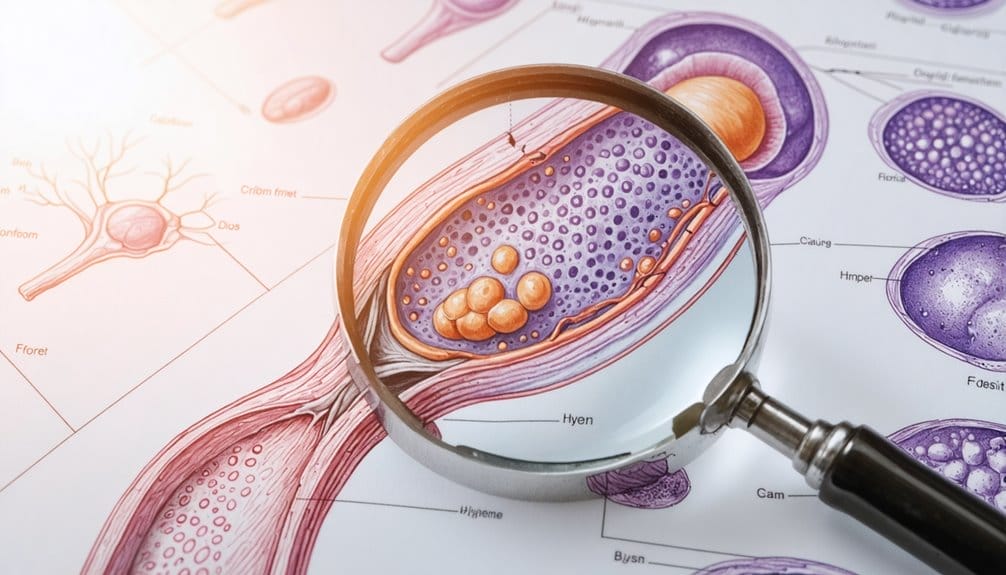
A cribriform hymen features a hymenal membrane with multiple small perforations, which can complicate reproductive health, particularly affecting in vitro fertilization (IVF). This hymenal anatomy may hinder normal menstrual flow and obstruct embryo transfer. Surgical intervention, such as hymenotomy, is often recommended to establish a typical vaginal opening, enhancing IVF outcomes. Addressing these hymenal abnormalities can improve reproductive potential, suggesting the necessity of tailored care and interventions. Discover more about how this condition influences reproductive success.
Key Takeaways
- A cribriform hymen can obstruct menstrual flow, potentially complicating embryo transfer during IVF procedures.
- Surgical intervention, such as hymenotomy, is recommended to create a typical vaginal opening for better IVF outcomes.
- Addressing hymenal abnormalities through surgery can enhance reproductive health and improve the chances of successful conception via IVF.
- Without intervention, a cribriform hymen may pose risks of infection during IVF treatment.
- Proper management and tailored treatment plans are crucial for optimizing IVF success in patients with a cribriform hymen.
Definition and Anatomy of Cribriform Hymen
A cribriform hymen is a unique anatomical variant of the hymenal membrane, defined by its multiple small perforations rather than a single larger opening. This congenital configuration can influence the discharge of menstrual flow, often resulting in prolonged periods due to its slower passage through the tiny perforations. Unlike the typical hymenal structure, the cribriform hymen is identified by these numerous openings, which may complicate certain developmental stages. Diagnosis of this condition generally occurs during a pelvic exam, which is essential for identifying the hymen's structure. It often remains unnoticed until puberty or later, when menstruation begins. Understanding this condition is significant for healthcare providers to offer appropriate care and support, ensuring that individuals with a cribriform hymen receive timely and effective interventions. In the context of IVF treatment, understanding anatomical variations such as a cribriform hymen is crucial for reproductive specialists to customize care plans effectively.
Symptoms Associated With Cribriform Hymen
Cribriform hymen, a condition characterized by multiple small perforations in the hymenal membrane, can lead to a variety of symptoms that impact menstrual flow and personal comfort. Individuals may experience prolonged menstrual periods, lasting 4-7 days, due to restricted discharge flow. Difficulty with tampon use can result in pain or bleeding, affecting hygiene and comfort during menstruation. Additionally, some may suffer from abdominal pain, lower back pain, or menstrual cramps as a consequence of this abnormal structure. During penetrative sex or gynecological examinations, individuals may first become aware of the cribriform hymen, particularly if they have been asymptomatic. Symptoms vary widely, with some experiencing significant discomfort, while others remain unaware of the condition, reflecting its diverse impact. Similar to the importance of confirming a diagnosis of azoospermia through semen analysis, identifying a cribriform hymen requires proper medical evaluation to ensure accurate diagnosis and appropriate management.
Causes and Risk Factors
Understanding the causes and risk factors of a cribriform hymen is essential for those affected by this condition. The primary cause is abnormal hymen formation during fetal development, resulting in multiple small perforations. This congenital condition can lead to menstrual irregularities, impacting reproductive health and complicating processes like IVF. While no genetic or environmental risk factors have been identified, the cribriform hymen can cause difficulties that warrant attention.
At IVOX Hospital & IVF Center, experts focus on advanced treatments and patient-focused care, which may help address complications arising from conditions like a cribriform hymen.
- Menstrual Irregularities: These can arise due to obstructed menstrual flow, affecting natural and assisted conception.
- Pelvic Pain and Stress: Difficulty with tampon use and sexual activity may lead to discomfort and psychological stress.
- Reproductive Health: Proper diagnosis and management are vital to ensuring normal vaginal function, optimizing reproductive health, and improving IVF success rates.
Diagnostic Procedures for Cribriform Hymen
Although often unnoticed until puberty, a cribriform hymen is typically diagnosed during a routine pelvic exam conducted by a gynecologist. This condition, characterized by multiple small perforations in the hymen, may go undetected until symptoms such as pelvic pain, menstrual obstruction, or prolonged periods appear. These symptoms often prompt a physical examination, which can reveal the hymen's abnormal structure. Diagnostic imaging, such as ultrasound, may be employed to assess the reproductive tract thoroughly, ensuring no complications are present due to menstrual obstruction. This imaging helps in ruling out other potential issues and confirms the diagnosis. If symptoms are severe, surgical intervention may be considered to alleviate discomfort and improve quality of existence, emphasizing the importance of timely diagnosis.
Challenges in Reproductive Health
Following the identification of a cribriform hymen through diagnostic procedures, several challenges in reproductive health may arise. This condition, marked by multiple small perforations, can impede menstrual flow, causing longer periods and discomfort. Individuals may encounter pain and difficulty with tampon use or during penetrative activities, affecting their reproductive health and wellbeing. These issues can lead to anxiety, avoidance of sexual activity, and complications in fertility treatments like IVF. Awareness and timely intervention are vital to alleviate these challenges. Possible solutions include:
- Surgical intervention (hymenotomy): This procedure can relieve symptoms and enhance reproductive tract functionality.
- Awareness and diagnosis: Early detection prevents complications in conception.
- Addressing anxiety and pain: Supportive care improves reproductive health outcomes and quality of existence.
Implications for In Vitro Fertilization
A cribriform hymen can greatly impact the process and success of in vitro fertilization (IVF). This condition, characterized by multiple small perforations, can impede normal menstrual flow, affecting uterine health and leading to complications during IVF. The anatomical constraints posed by a cribriform hymen may hinder embryo transfer, making the procedure more challenging. Hymenotomy, a surgical intervention, is often recommended to create a more typical vaginal opening, facilitating easier access to the reproductive tract. Addressing hymenal abnormalities before IVF can improve outcomes and reduce risks associated with menstrual flow and reproductive health. Understanding these implications allows fertility specialists to tailor treatment plans effectively, ensuring thorough care for patients undergoing IVF and enhancing the likelihood of a successful outcome.
Management and Treatment Options
Addressing the challenges posed by a cribriform hymen in the context of IVF necessitates an understanding of its management and treatment options. Effective management often involves a surgical procedure known as hymenotomy, which aims to create a typical-sized opening, facilitating menstrual flow and improving reproductive health. Treatment options are tailored based on symptom severity, as individuals commonly experience discomfort and extended menstrual periods due to multiple hymen perforations.
- Hymenotomy: A key surgical intervention that resolves issues related to cribriform hymen, enabling normal vaginal function post-procedure.
- Symptom Assessment: Essential for determining the appropriate treatment path, focusing on alleviating prolonged menstrual discomfort.
- Healthcare Communication: Encourages open discussions about symptoms and treatment options, ensuring informed decisions that enhance reproductive health.
Surgical Intervention and Recovery
When addressing the surgical intervention for a cribriform hymen, hymenotomy emerges as a critical procedure that greatly impacts reproductive health. This surgical intervention involves the precise removal of extra hymeneal tissue, facilitating a typical-sized opening. Such a procedure not only enhances the chances for successful IVF but also alleviates menstrual difficulties and discomfort during penetrative activities. Conducted as an outpatient procedure, hymenotomy generally allows for same-day discharge, enabling patients to swiftly return to their normal activities. Anesthesia options, either local or general, are discussed pre-operatively, ensuring patient comfort. Post-surgery, dissolvable stitches may be used, with follow-up appointments essential to monitor healing and address potential complications. Ultimately, this intervention supports reproductive health, aiding in successful conception through IVF.
Prognosis and Long-term Outlook
Following the surgical intervention of a hymenotomy, the prognosis for individuals with a cribriform hymen is encouraging. The surgical procedure effectively restores normal vaginal function, alleviating symptoms such as pelvic pain and menstrual difficulties. Long-term outcomes are generally positive, with most patients experiencing no recurrence of symptoms and being able to engage in normal menstrual and sexual activities. This surgical intervention supports reproductive health, allowing individuals to contemplate assisted reproductive technologies like IVF without complications related to the cribriform hymen.
Key aspects to take into account include:
- Symptom Relief: Patients often report significant improvement in comfort and function.
- Reproductive Health: No association with infertility, supporting future family planning.
- Monitoring: Regular follow-ups guarantee sustained health and address any complications.
Questions to Discuss With Healthcare Providers
How might a cribriform hymen influence the journey through in vitro fertilization (IVF)? Individuals considering IVF should discuss with their healthcare providers how a cribriform hymen might impact the success of the procedure. It's important to explore whether surgical options could enhance reproductive health and improve outcomes. Understanding how a cribriform hymen affects menstrual flow is essential, as it may influence the IVF treatment plan. Patients should inquire about possible complications, such as difficulties during embryo transfer and the increased risk of infection. Knowing the likelihood of these issues can guide the decision-making process. Discussing the timing and necessity of surgical intervention before starting IVF guarantees that patients are well-prepared for the journey ahead, ultimately aiming for successful fertilization outcomes.
Conclusion
In understanding the cribriform hymen, its impact on IVF becomes clear through the coincidental interplay of anatomy and reproductive challenges. While often diagnosed through specific symptoms and confirmed via medical procedures, the condition may pose hurdles in fertility treatments. Management through surgical intervention can mitigate these challenges, improving reproductive outcomes. By discussing concerns with healthcare providers, individuals can navigate the complexities of this condition, ensuring informed decisions and a more favorable prognosis in their fertility journey.

 English
  Bulgarian
  Italian
  Arabic
  French
  Turkish
  German