
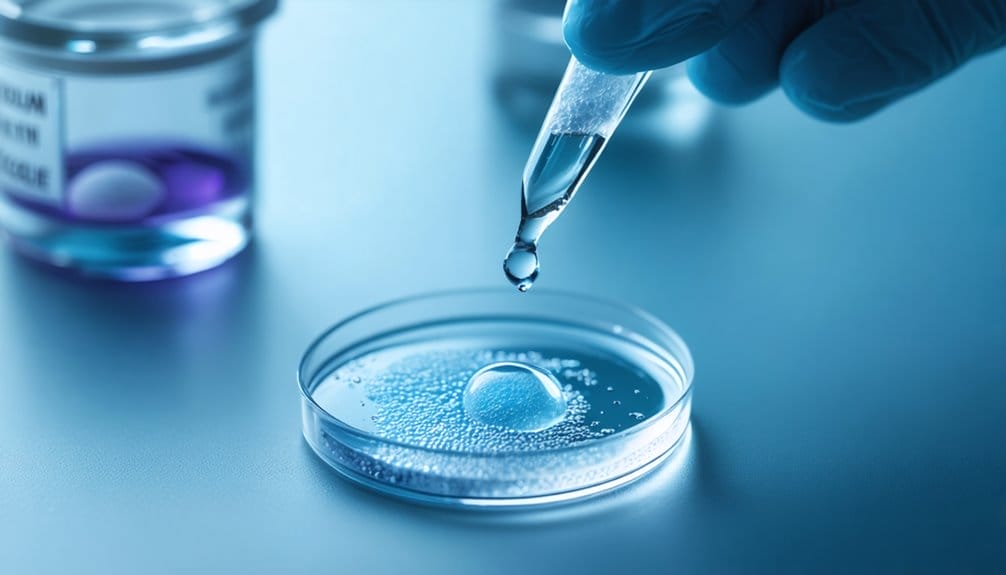
Embryo Glue is a specialized medium used in IVF, designed to improve embryo implantation success by mimicking the natural uterine environment. Enriched with hyaluronic acid and recombinant albumin, it supports all embryo development stages. Clinical studies show a 20% increase in live birth rates, particularly for women over 35 or with past implantation failures. Priced between £200 to £2000, it is a modest addition to IVF treatments. Its benefits include increased pregnancy rates without heightened miscarriage risks. Further exploration reveals promising outcomes for diverse patient groups.
Key Takeaways
- Embryo Glue increases live birth rates by 20%, particularly benefiting women aged 35 and those with previous implantation failures.
- Hyaluronic acid in Embryo Glue enhances embryo attachment by mimicking natural uterine conditions, improving pregnancy success rates.
- Clinical studies, including a Cochrane Review, confirm a rise in live birth rates from 33.3% to 40.2% with Embryo Glue.
- Cost-effective and less invasive than alternatives, Embryo Glue is supported by moderate clinical evidence and patient demand.
- Anecdotal and research evidence highlight Embryo Glue's transformative impact on IVF outcomes, especially for patients with PCOS or past failures.
Understanding Embryo Glue and Its Components
Embryo Glue is a specialized transfer medium used in in vitro fertilization (IVF) procedures to enhance the likelihood of successful embryo implantation. This innovative embryo transfer medium is enriched with hyaluronic acid, a crucial component naturally present in the female reproductive tract. By creating a high-viscosity environment, Embryo Glue mimics natural endometrial secretions, thereby supporting ideal conditions for embryo attachment. The incorporation of recombinant albumin guarantees that it is suitable for all stages of embryo development, including cleavage stage embryos and blastocysts. Clinical studies highlight that using Embryo Glue can increase live birth rates by approximately 20%, especially benefiting women aged 35 and those with previous implantation failures. Consequently, it plays a significant role in improving pregnancy rates without increasing pregnancy loss risks. Additionally, technological advancements in IVF improve success rates by providing environments that closely mimic internal conditions for embryo development.
The Role of Hyaluronic Acid in Embryo Implantation
Hyaluronic acid (HA) plays a pivotal role in embryo implantation, acting as a natural facilitator within the uterus. This essential component increases in concentration before embryo implantation, enhancing the environment for successful attachment. As part of IVF treatment, HA is often used in embryo transfer media, referred to as "embryo glue," which has shown to improve implantation rates and clinical pregnancy outcomes. The following highlights its impact:
- Enhanced Attachment: HA interacts with receptors on embryo and endometrial cells, aiding alignment.
- Improved Live Birth Rates: Studies indicate HA can boost live birth rates from 33% to 37-44%.
- Increased Clinical Pregnancy Rates: Cochrane Review findings support HA's role in better clinical pregnancy outcomes.
- Reduced Miscarriage Rates: HA usage is associated with fewer miscarriages, improving overall success.
- The use of PGS-PGT Preimplantation Genetic Diagnosis can further enhance embryo selection by ensuring chromosomal normalcy, which complements the efficacy of HA in improving IVF outcomes.
Analyzing the Evidence: Research and Reviews
While the previous examination focused on the pivotal role of hyaluronic acid in embryo implantation within IVF treatments, it is also important to contemplate the empirical evidence supporting its effectiveness. The Cochrane Review (2020) reveals that using EmbryoGlue can boost live birth rates from 33.3% to 40.2%, equating to one extra live birth per 14 embryo transfers. Research indicates that higher concentrations of hyaluronic acid in the transfer media enhance clinical pregnancy and live birth rates, especially for women over 35 and those experiencing implantation failure. A meta-analysis of 10,000 embryo transfers corroborates these findings, showing improved pregnancy rates without elevated miscarriage risks. Recent studies highlight significant increases in implantation and live birth rates for patients with PCOS using EmbryoGlue. This evidence supports its potential effectiveness in assisted reproductive technologies. Embryo donation is another method contributing to the fertility treatment landscape, providing options for individuals with genetic disorders affecting fertility or those without viable eggs due to age or medical conditions.
Cost Considerations and Accessibility of Embryo Glue
Although the cost of fertility treatments can vary considerably, Embryo Glue is a relatively affordable option that many IVF clinics offer as an add-on service. This affordability is significant when considering cost considerations for patients aiming to enhance pregnancy success rates. Embryo Glue typically costs between £200 to £2000, or Rs. 5,000/- to Rs. 10,000/-, which is a modest investment compared to other fertility treatments.
Its accessibility is notable due to the following reasons:
- Widespread Clinic Support: Many clinics endorse its use, backed by moderate clinical evidence of improved implantation rates.
- Non-Invasiveness: Less invasive than alternatives like endometrial scratching.
- Patient Request: Clinics often allow its use upon request, without objections.
- Growing Acceptance: Increasingly recognized within fertility treatments for enhancing success rates.
Patient Experiences and Success Stories
A considerable number of patients undergoing IVF treatments have reported positive experiences with the use of Embryo Glue, citing it as a pivotal factor in achieving successful pregnancies after multiple previous attempts. Particularly, those with a history of implantation failure have noted improved IVF outcomes, attributing their live births to this innovative solution. Anecdotal evidence from the fertility community supports these findings, with many patient experiences highlighting the transformative role of Embryo Glue in facilitating embryo implantation. One study even revealed a 20% increase in live births, especially benefiting women aged 35 and older. While community feedback is mixed, a substantial segment of patients feels that Embryo Glue considerably contributed to their successful pregnancies, offering optimism to those facing challenges in their fertility journey.
Clinical Outcomes and Ongoing Studies
Emerging clinical evidence underscores the potential of Embryo Glue in enhancing IVF outcomes, particularly in increasing live birth rates among diverse patient groups. A Cochrane Review highlighted its effectiveness, demonstrating an increase in live birth rates from 33.3% to approximately 40.2%, equating to one additional live birth for every 14 embryo transfers. Remarkable findings include:
- Women aged 35 and those with repeated implantation failures show significant improvement in clinical pregnancy and live birth rates with EmbryoGlue.
- A meta-analysis of nearly 10,000 transfers confirms the positive impact across various demographics.
- Studies at ASRM reveal enhanced outcomes for cryopreserved blastocysts.
- Hyaluronic acid in embryo transfer media contributes to these successes, ensuring a safe and reliable option for patients.
Evaluating the Potential Benefits for Specific Patient Groups
Building on the insights from recent clinical outcomes and ongoing studies, it is crucial to assess the specific benefits of Embryo Glue for targeted patient groups. Women aged 35 and those with previous implantation failures show promising results when using Embryo Glue during IVF. The increased live birth rates, from 33.3% to 40.2%, demonstrate its effectiveness, particularly for individuals with repeated implantation failure or unexplained infertility. The Cochrane Review and meta-analysis of nearly 10,000 embryo transfers confirm improved pregnancy rates and reduced miscarriage rates with Embryo Glue. The presence of hyaluronic acid in Embryo Glue enhances implantation, offering optimism and improved outcomes for diverse patient demographics. Specific protocols guarantee effective embryo equilibration and catheter loading, maximizing success.
Conclusion
Embryo glue, primarily composed of hyaluronic acid, shows promise in enhancing IVF success rates by improving embryo implantation. While research indicates potential benefits, particularly for certain patient groups, cost and accessibility remain considerations. As the adage goes, "The proof of the pudding is in the eating," and ongoing clinical studies aim to substantiate the effectiveness of this adjunct in diverse scenarios. Patient testimonials and success stories further contribute to understanding its role in fertility treatments.

 English
  Bulgarian
  Italian
  Arabic
  French
  Turkish
  German